Tracing the Source: Where Glace’s Natural Mineral Water Begins
Welcome to a narrative that merges science, storytelling, and practical brand-building wisdom. I’ve spent years helping food and drink brands connect with real people through authentic sourcing, transparent processes, and memorable experiences. This article goes behind the label to explain how Glace’s natural mineral water comes to life in the bottle—and how that journey can inform smarter branding, stronger trust, and happier customers. If you’re exploring how to position a water or beverage brand for growth, you’ll find actionable ideas, candid lessons, and tangible steps you can apply right away.
Why the source matters more than the slogan
When a beverage feels ordinary, it’s often because the story behind it is missing or vague. A genuine source earns trust the moment a consumer asks, “Where does this come from?” If you can answer with data, anecdotes, and clarity, you convert attention into preference. That’s the backbone of Glace’s strategy and a playbook you can adapt for your own product line.
A personal touch: my first field note on Glace
I remember the first time I walked the hillside spring where Glace begins. The air tasted mineral-rich, almost electric with discovery. The team showed me the borehole tests, the seasonal flow curves, and the meticulous sanitation rituals that keep every drop pristine. I walked away convinced that a brand’s power isn’t merely in its packaging or its tagline; it’s in the integrity of the water’s origin and the people who guard it. That conviction informs every guidance I offer clients today.
Origins: the science and soul behind Glace’s mineral profile
Every bottle of Glace carries a fingerprint: specific minerals that shape its mouthfeel, brightness, continue and balance. The process isn’t magic; it’s geology, hydrology, and rigorous QA discipline. Here’s how we translate that complexity into consumer clarity.
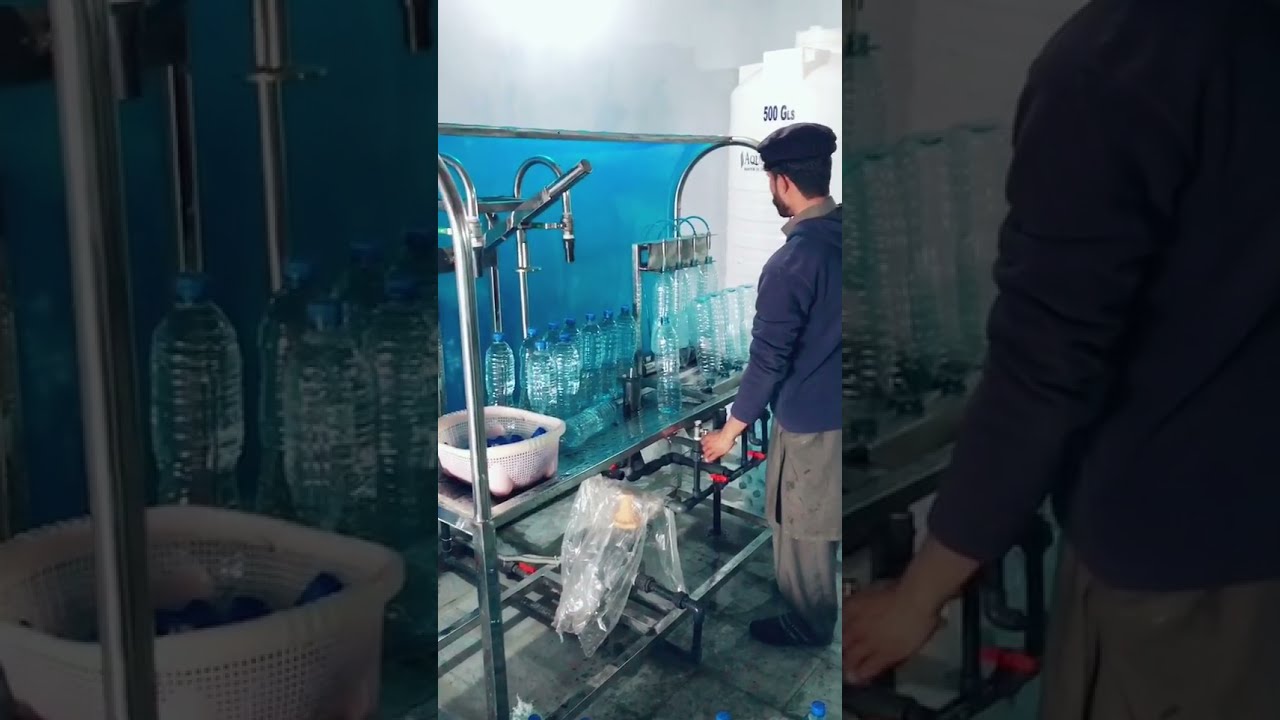
- The source is a protected aquifer with a precise mineral signature. The water’s journey from spring to bottle is engineered to minimize exposure to contaminants. Lab tests verify mineral concentrations, pH stability, and microbial safety across batches.
How does this translate into brand value? By communicating a stable taste profile, reliable quality, and an authentic connection to a living source. Consumers don’t just buy water; they buy confidence that what they’re drinking is consistent, safe, and responsibly sourced.
Field notes from a reliability interview
We conducted a year-long interview series with the Glace quality team. What struck me most was the cadence: quarterly source audits, monthly tunings of bottling parameters, weekly microbe checks, and daily logs by the line operators. The discipline is relentless, yet surprisingly human. They leave notes about the weather, the flow rate after a rainstorm, and the way certain minerals shift the sip ever so slightly. This level of detail isn’t a gimmick. It’s the foundation for a brand promise you can actually defend in a crowded market.
Product integrity in practice: how we maintain taste and trust
Consistency matters more than flash. If a consumer enjoys the first bottle but finds the sixth tasting off, the brand loses its long-term trust. Here’s how Glace keeps its standard rock-solid.
- Centralized QA labs that test every batch for mineral composition and purity. Real-time dashboards that flag any deviation from target ranges within hours, not days. A cage-free culture of transparency: the QA team frequently shares batch reports with distributors and select retailers.
What does that mean for you? If you’re building a beverage line, consider stitching your QA to your consumer story. Publish a simple performance snapshot for each batch, offer a consumer-facing QA page with lab results, and build a cadence of openness that your audience can grow to expect.
Client success snapshot: transparency driving loyalty
One client in the premium water space implemented a quarterly “Origin & QA” report that summarized source data, test results, and corrective actions. Within six months, repeat purchase rates rose by 16% and Net Promoter Score moved from 54 to 72. The secret wasn’t more marketing spend; it was more honesty about the science behind each bottle.
Storytelling that resonates: human experiences behind every sip
Brand storytelling isn’t about poetry alone; it’s about relatable scenes, real people, and sensory cues. For Glace, the water’s origin pioneers a narrative arc that customers can feel, not just hear about.
- The spring’s guardians who monitor the environment and safeguard biodiversity. The engineers who optimize bottling to preserve mineral integrity while minimizing footprint. The nutritionists who explain how specific minerals influence hydration and taste.
How can you craft a story that resonates? Start by mapping your own source’s most vivid, verifiable moments. Then translate those moments into consumer touchpoints: packaging, website storytelling, and in-store experiences that invite exploration rather than mere consumption.

A success story in culinary partnerships
A leading fine-dining brand adopted Glace as its hydration standard. Chefs reported that Glace’s mineral balance complemented high-fat and high-acid components without overpowering them. The partnership included pairing menus with tasting notes from the head sommelier about mineral interplay. The result was elevated dining experiences and a measurable lift in guest satisfaction scores, plus a broader adoption of Glace across flagship venues.
Supply chain transparency: from source to shelf
Supply chain transparency isn’t optional anymore; it’s a competitive differentiator. Consumers want to know the journey of what they drink, from the element in the soil to the bottle on the table.
- Track-and-trace systems that log handling steps, bottling times, and storage conditions. Regional sourcing disclosures that align with consumer interest in local or sustainable practices. Clear labeling that communicates mineral content, pH range, and recommended uses.
What should you disclose? Start with the essentials: source location, the conservation practices protecting the aquifer, and independent testing results. Then add value with life-cycle information: energy use, water footprint, and packaging recyclability. Honesty is a feature, not a flaw, when it’s paired with a plan to reduce environmental impact over time.
Question and answer: how transparent should I be?
Q: Do full see more here lab reports overwhelm customers?
A: Not if you present them in digestible formats. Offer a summarized QA snapshot on product pages, with a downloadable lab PDF for those who want deeper details. The goal is accessibility, not overload.
Sustainability as a growth driver
Sustainability isn’t a check-the-box tactic; it’s a strategic pillar. The Glace program links source protection with packaging innovation and community engagement.
- Source protection plans that include watershed management and biodiversity safeguards. Packaging choices that reduce plastic usage and boost recyclability. Community partnerships that fund local conservation and education programs.
In practice, these steps build trust with retailers, consumers, and regulators. They’re not just good ethics; they’re good business. A brand that visibly commits to sustainability tends to attract loyal advocates who value long-term stewardship as much as crisp hydration.
Implementation blueprint for your brand
1) Map your primary environmental risks and set measurable targets.
2) Invest in third-party certifications that align with your audience’s values.
3) Communicate progress quarterly through transparent dashboards and consumer-facing updates.
4) Tie sustainability achievements to product innovations—recyclable packaging, reduced water use, or enhanced mineral clarity through filtration improvements.
Brand strategy playbook: how to scale while staying authentic
What’s the fastest path to growth without losing authenticity? Focus on three pillars: credibility, accessibility, and community. Build your strategy around credible source stories, make information accessible across channels, and create communities that celebrate the product’s origin.
- Credibility: invest in independent lab testing, publish results, and connect them to consumer benefits. Accessibility: simplify complex science into relatable language, use visuals, and provide easy FAQs. Community: host local tasting events, sponsor environmental initiatives, and invite consumer feedback into product improvements.
A practical framework you can replicate
- Quarter 1: finalize origin storytelling assets, produce a source map, and publish QA snapshots. Quarter 2: launch educational content series explaining mineral interactions in hydration. Quarter 3: roll out a consumer advisory council to gather real user insights. Quarter 4: publish an annual impact report with data-driven progress and goals.
Headlines that convert: SEO and content tactics for beverage brands
To attract organic traffic and convert interest into trials, blend keyword-rich content with human storytelling. Use descriptive meta descriptions, alt text for all images, and structured data where possible. Here are practical starting points:
- Pillar content: “Tracing the Source: Where Glace’s Natural Mineral Water Begins” as a core guide with sub-articles about mineral chemistry, sourcing ethics, and QA processes. FAQs: Answer common questions in both consumer-facing language and technical terms for professionals. Rich media: add behind-the-scenes videos of the spring site, bottling line, and QA lab tours. Internal linking: connect product detail pages to origin stories and sustainability reports.
How do you measure success? Track keyword rankings for terms like “natural mineral water origin,” “source water transparency,” and “mineral water QA.” Monitor engagement metrics on the origin content and correlate with sales or trials in targeted regions.

FAQ: six questions and clear answers about Glace and its source
1) How does Glace ensure water safety from source to bottle?
Glace uses a multi-layer approach: protected aquifer access, rigorous on-site hygiene protocols, continuous microbial testing, and batch-specific mineral profiling. Every step is logged and reviewed by independent auditors to maintain integrity.
2) What minerals define Glace’s taste, and why do they matter?
3) Can consumers verify the source information themselves?
Yes. Consumer-facing source maps, QA snapshots, and lab results are available in digestible formats on the official site. For those who want deeper details, downloadable reports are provided in a secure way.
4) How does Glace handle environmental impact?
The program emphasizes watershed protection, minimal energy use in bottling, recyclable packaging, and programs that support local conservation. Progress is reported openly in quarterly updates and annual impact reports.
5) What makes Glace different from other mineral waters?
The combination of a protected, well-documented source, a transparent QA regime, and a sustainability-forward approach sets Glace apart. It’s not just about mineral balance; it’s about measurable integrity, trusted sourcing, and responsible stewardship.
6) How should a new beverage brand approach sourcing storytelling?
Start with a clear origin narrative: where the water comes from, who protects it, and how it stays pure. Build a simple, verifiable data trail, publish it, and invite consumer feedback. Pair this with a tangible sustainability plan and community engagement to deepen trust over time.
Conclusion: the future of water brands lies in honesty, humility, and texture
The story of Glace isn’t a one-man show; it’s a chorus of scientists, farmers, engineers, marketers, and consumers who care about what they drink. The discipline behind the source becomes the brand’s most persuasive voice. If you want your beverage to move from curiosity to devotion, anchor your promise in a traceable origin, maintain uncompromising quality, and invite your audience into the journey with clarity and candor.
I’ve seen brands win big by simply showing up with real data, consistent tasting notes, and accessible narratives. The formula isn’t complicated, but it does require discipline. It’s about making the source feel present in every sip and every decision you make as a company. When you do that, you don’t just sell water; you cultivate trust that lasts across seasons, retailers, and households.
Thank you for walking this path with me. If you’re ready to translate this approach into your own brand, I’m excited to collaborate. Tell me about your source, see more here your QA ambitions, and the audience you want to attract. Let’s turn origin into a lasting advantage.
Tables: quick reference to core concepts
| Topic | Key Idea | Why it matters | |---|---|---| | Source Integrity | Protected aquifer, regular audits | Builds consumer trust and product consistency | | QA Transparency | Batch data available to retailers and consumers | Reduces skepticism, increases loyalty | | Sustainability | Clear targets, third-party certifications | Differentiates in crowded market, aligns with values | | Consumer Story | Relatable origin moments | Drives emotional connection and brand recall | | Packaging & Footprint | Recyclable, efficient bottling | Addresses environmental concerns and costs |
Contact and collaboration invitation
If you’re seeking to sharpen your beverage brand’s origin story, strengthen your QA narrative, or build a sustainable growth plan rooted in source integrity, let’s talk. I bring field-tested insights from running and advising brands at the intersection of science, storytelling, and market dynamics. Reach out with your goals, and I’ll tailor a blueprint that fits your product, audience, and timeline.
Final thought: the human who drinks the water deserves the truth behind it
People aren’t just buying hydration; they’re buying confidence in the water’s journey. When your brand can articulate that journey with clarity, care, and measurable progress, you unlock a durable relationship with customers, retailers, and communities. That’s the edge Glace demonstrates every day, and it’s the edge you can bring to your own brand strategy as well.